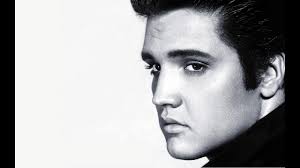
43 years ago today, Elvis died at his Graceland mansion in Memphis. He was just 42 years old.
Although Elvis’ actual cause of death was listed as cardiac arrhythmia, it is believed that his chronic prescription drug abuse contributed to his demise.
Beginning in the 1960’s, Elvis developed a dangerous dependency on amphetamines, sedatives and barbiturates. Much has been written about what drove Elvis to self-medicate – was he trying to cope with fame, the death of his mother, feelings of loneliness or a lifelong struggle with insomnia?
Elvis’ insomnia was described as “incurable” and “persistent.” Many legendary Elvis stories: riding motorcycles with his friends, visiting his dentist in Memphis, talking about world religions with his hair stylist Larry Geller, taking his plane to Denver to get a sandwich – occurred at night. He’s frequently characterized as “nocturnal” as he did not go to sleep before 5 am – including on the day he died.
In the last two years of his life, Elvis was in declining physical and mental health. Among his many ailments, he had gained considerable weight, suffered from diabetes, high blood pressure and glaucoma, and his mood swings were increasingly erratic. Elvis’ issues are apparent as you can see in this video of his last performance – although he could still sing magnificently.
A recent socially distanced trip to Graceland has me wondering if Elvis’ “insomnia” was really Delayed Sleep Phase Disorder (DSPD), a circadian rhythm disorder that is a chronic dysregulation of a person’s biological clock. The disorder affects the regulation of many daily physiological cycles including the timing of sleep, alertness, hunger and digestion.
DSPD could explain Elvis’ extremely late sleeping patterns as well as his other physical and mental heath challenges. “Biological night owls” have heightened risk for heart disease, obesity, metabolic and psychiatric disorders, and Type 2 diabetes. Because people with DSPD are awake alone for many hours (while the rest of the world sleeps), some struggle with loneliness.
Elvis started taking amphetamines when he was drafted into the Army so that he could “stay awake during the day,” which is challenging for people with DSPD as our sleep-wake cycles are reversed. By the time he got out of the military when he was 25, he was dependent on stimulants to wake up in the morning and barbiturates to fall asleep in the evening. Additional prescription medications followed.
DSPD is a neurological disorder that can have genetic underpinnings – the result of mutations of various circadian clock genes. Many circadian rhythm disorder sufferers report having family members with the same disorder.
Elvis’ mother suffered from obesity, exhaustion and severe depression and died at 46 from a heart attack. Tragically, last month, Elvis’ 27-year-old grandson was found dead at home – he had died by suicide in the early morning hours.